
I recently scoured the scientific journals for meta-analyses that showed which dietary interventions had positive effects on weight loss, without the need for counting or restricting calories.
And after analyzing almost 300 meta-analyses on the subject of weight loss, I may have uncovered some exciting truths that could put the need to restrict calories on the trash heap of history, where it belongs.
Sounds too good to be true?
It shouldn’t.
Why shouldn’t we just count calories to lose weight?
While calorie restriction can have a somewhat immediate effect on weight loss, it is far from a desirable or sustainable way to achieve your healthy weight.
Let’s face it, we were not made to count calories.
For most of human history, we did not have any idea how many calories were in a food, yet for most of human history being overweight was not a widespread issue.
How did all those cavemen stay thin without nutrition labels on the wildebeests?
It’s a wonder they could do it without an app!
The bigger point is, there are still many today who maintain a healthy weight without counting or restricting calories.
These people eat freely, don’t restrict themselves, stay trim, and walk among us to this day!
I for one would like to know how they do it, and then share that with all of you so we all can do it.
Is there a dietary pattern or are there dietary habits that could be found in the scientific literature that might provide the key to understanding weight loss without calorie restriction?
The answer will ultimately come down to more factors than just diet alone, but I thought it would be helpful for us to determine if there were any particular foods that seemed to help, because diet is obviously a prime factor in determining health and body weight.
So that is what I set out to discover.
And without further adieu, lets get to the good news, because there is a lot of it!
Top 17 weight loss tools – no calorie counting required!
Following is my list of the top 17 foods/nutrients/dietary habits that can help us lose weight.
#1: Blueberries
A meta-analysis published in Complementary Therapies in Medicine in 2020 found that among studies with a follow up time greater than six weeks, blueberry consumption resulted in significant weight loss. [1]
How can blueberries help us lose weight?
Blueberries are a low sugar fruit, meaning they do not spike the body’s insulin response as much as others. More insulin can cause the body to store fat rather than burn it.
Blueberries are also fairly high in fiber, which helps to slow digestion and lower blood sugar spikes after meals (more on that soon).
And finally, blueberries are high in flavonoids, which have been shown in studies to help aid weight loss (more on that later).
#2: Citrus fruits
A meta-analysis published in 2019 found that citrus fruits and/or citrus extracts significantly reduced body weight, BMI, waist circumference, and hip circumference. [2]
How can citrus fruits help us lose weight?
There are certain compounds found in citrus fruits that have shown evidence in the scientific literature to help aid weight loss. Those compounds include naringin, hesperidin, and neohesperidin. [3] [4]
The superstar of the group might be naringin, which has been found to induce “fat browning”.
Unlike white fat, which is one of the types we like to shed, “brown fat” is thermogenic and helps to burn off white fat.
While these compounds are found in varying amounts in different citrus fruits, grapefruit has the highest amounts among the most common fruits. There is even more to be found in kumquats.
#3: Olive oil
A meta-analysis published in 2018 found diets enriched with olive oil reduced weight, waist circumference, and BMI when compared to control diets. [5]
How can olive oil help us lose weight?
More research needs to be done, however there is some evidence that polyphenols, of which olive oil is rich, could help with weight loss.
Additionally, animal research in rats has shown olive oil to reduce insulin resistance. Less insulin, as discussed earlier, could equate to less body fat being stored. [6]
On the gut health front, olive oil has also shown evidence in scientific research to help eradicate a type of “bad” bacteria called Helicobacter pylori, or H. pylori. We will soon discuss probiotics and their beneficial effect on weight loss, so we can speculate as to whether olive oil’s positive impact on the microbiome could be relevant. [7]
And finally, olive oil is high in a monounsaturated fat called oleic acid. Oleic acid contains a fatty acid called ethanolamide oleoylethanolamide (OEA). OEA has been shown in scientific research to stimulate lipolysis, or the breakdown of fat stores for energy. [8]
#4: Black seed oil
A meta-analysis published in 2018 found that supplementation with nigella sativa (a fancier term for back seed oil) “exerts a moderate effect on reduction in body weight, BMI and WC.” [9]
How can black seed oil help us lose weight?
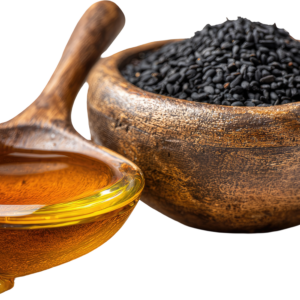
For starters, black seed oil has been found in research to, among many other things, reduce fasting blood glucose and improve insulin sensitivity, which can reduce fat storage and improve fat burning.
It is also possible that, by virtue of the almost innumerous other healing benefits of black seed oil, the reduced “load” on your body of having to deal with all those stressors could be freeing up the body to not only be healthier, but to be metabolically healthier as well.
#5: Cayenne pepper
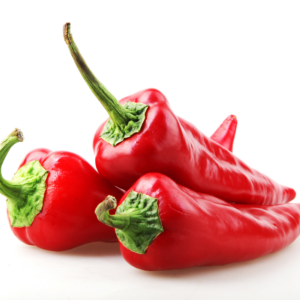
A meta-analysis published in 2023 found that capsaicin (one of the main components of cayenne pepper) supplementation resulted in a significant reduction in body weight, BMI, and waist circumference when compared to a control group. [11]
How can cayenne pepper help us lose weight?
The main pathway through which cayenne pepper helps aid weight loss is through its increased calorie-expenditure effect.
Research has shown for a while now that capsaicin is responsible for boosting metabolism, to the tune of an additional 50 calories per day according to a meta-analysis published in 2012. [10]
#6: Curcumin (from turmeric)
A meta-analysis published in 2023 found that curcumin supplementation resulted in significant reductions in body weight, BMI, and waist circumference. [12]
Even more promising, another meta-analysis published in 2019 found that curcumin supplementation led to a significant reduction in body weight, BMI, waist circumference, and leptin levels, while also leading to a significant increase in adiponectin. [13]
How can curcumin help us lose weight?
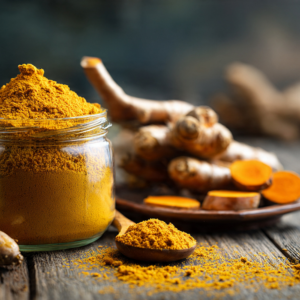
Besides high amounts of antioxidants and polyphenols, a major mechanism may be due to curcumin’s documented potential to regulate leptin and increase adiponectin.
Leptin signals to your brain (the hypothalamus specifically) to regulate your hunger over the long term. Being sensitive to leptin’s signals can help prevent unnecessary hunger and, thus, overeating. Decreasing the amount of leptin needed to regulate your hunger could indicate better sensitivity.
Adiponectin is important at it is a hormone that helps with insulin sensitivity.
An insensitivity to insulin, the “fat-storing hormone” as well as low levels of adiponectin, is associated with conditions such as type 2 diabetes and obesity, perhaps among others.
Proper leptin and adiponectin production and efficacy are of the utmost importance when it comes to maintaining a healthy weight.
#7: Cinnamon
A meta-analysis conducted by researchers out of Iran and the UK, published in Journal of Food Biochemistry in 2022, found that cinnamon supplementation resulted in a significant decrease in both body weight and BMI in research subjects with PCOS. [14]
The researchers found that the impact was greater in doses above 3g/day.
Which, to be fair, is a lot of cinnamon.
How can cinnamon help us lose weight?
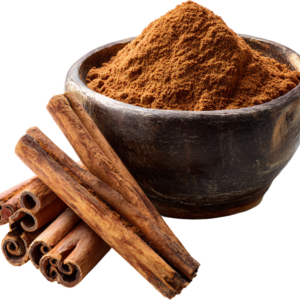
Cinnamon is high in flavonoids, which scientific research has also shown could aid in weight loss efforts.
And while that might be a factor, there is certainly a more significant one.
Cinnamon is known to have blood sugar-lowering effects.
Blood sugar lowering effects result in a lower insulin response.
With insulin being known to many as the “fat-storing hormone”, it could possibly be a mechanism, or a primary mechanism, by which cinnamon could be associated with weight loss.
Note: we need to be careful with cinnamon and anything else that lowers blood sugar, especially if you are diabetic, prediabetic, have blood sugar issues, or are taking blood sugar lowering medication in particular.
If you are taking blood sugar lowering medication as well as cinnamon, there is a possibility that your blood sugar levels could plunge dangerously low if not done properly, so be careful and work with your doctor (as with everything in this article and on this site).
#8: Psyllium husk
A meta-analysis published in 2023 found that non-fermented psyllium fiber, consumed prior to meals, was effective in promoting weight loss and as reductions in BMI and waist circumference in overweight and obese research participants. The mean dosage analyzed was 10.8 g per day. [15]
How can psyllium help us lose weight?
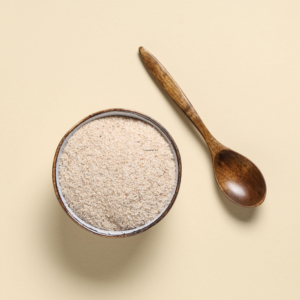
Psyllium’s weight loss effects can be largely attributed to its fiber content.
Because the gel-like substance formed by psyllium husk in the gut helps to slow down absorption, it slows down the absorption of carbohydrates in kind. This can help to slow blood sugar spikes after eating, which can also help reduce the amount of insulin the body needs to produce to escort those sugars around the body.
And as we know, lowering the amount of insulin in your body can lower the amount of fat stored in your body.
#9: Spirulina
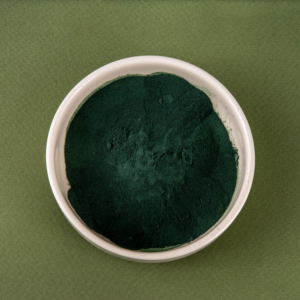
The microalgae superfood spirulina, packed with protein, antioxidants, and more, can also help aid weight loss.
A meta-analysis published in 2019 found that spirulina supplementation led to significant decreases in body weight, body fat percent, and waist circumference. [16]
And while that particular analysis did not find that spirulina supplementation resulted in a significant decrease in body mass index (BMI), another meta-analysis published in 2021 found that it did in studies that lasted longer than 12 weeks. [17]
How can spirulina help us lose weight?
Scientific research has shown spirulina has the potential to help reduce appetite [18] [19], reduce blood sugar [20], as well as increased insulin sensitivity [21], in addition to its well-documented health boosting capabilities in the forms of its nutrient profile as well as its antioxidant and anti-inflammatory properties.
#10: Beans
A meta-analysis published in 2016 found that including pulses (seeds of legumes such as beans, lentils, and chickpeas) in the diet resulted in significant weight loss in both negative-energy diets and neutral-energy diets. [22]
How can beans help us lose weight?
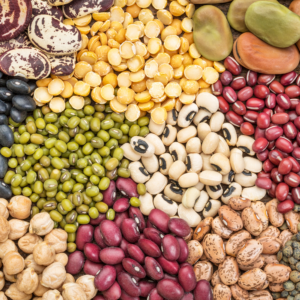
High fiber diets, among other things, have been shown to help people feel fuller for longer and could thereby help in reducing consumption.
And beans are chock full of fiber.
Fiber is also known to feed beneficial gut bacteria (more on that soon), slow down nutrient absorption, and lower blood sugar response, especially when eaten prior to consuming “high blood sugar” foods such as many grains and sugar.
Lowering the blood sugar response in turn lowers the insulin response, which could be leading to less fat being stored on the body.
And perhaps a healthier gut leads to a healthier body which helps lead to a healthier body weight.
#11: Soluble fiber
For starters, a meta-analysis published in 2020 found that viscous fiber reduced both body weight and waist circumference. [23]
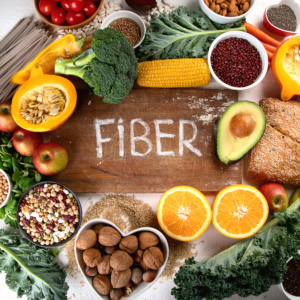
A later meta-analysis published in 2022 found that those supplementing with dietary fiber showed significantly higher reductions in body weight, BMI, waist circumference, fasting blood insulin as well as insulin resistance (wow) when compared to the control group. The researchers noted the certainty of evidence was high. [24]
How can soluble fiber help us lose weight?
As mentioned earlier, fiber can help lower the blood sugar response after eating, reducing insulin levels as well as insulin resistance.
Fiber’s beneficial impact on healthy gut bacteria is also a possible mechanism of action.
Keep reading to the end for much more on that.
#12: Carotenoids
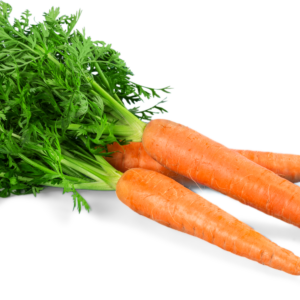
A very interesting meta-analysis published in 2021 found that carotenoid supplementation was significantly associated with reductions in body weight, BMI, and waist circumference.
Perhaps even more surprising, the researchers found that carotenoid insufficiency was a risk factor for overweight and obesity. [25]
#13: Polyphenols
Some of the research on polyphenols and weight loss is a bit mixed.
For example, an umbrella review published in 2024 found that the available scientific literature showed mixed results for polyphenol consumption resulting in weight loss. Where weight loss was noted, it was found to be small. [26]
Similarly, a meta-analysis published in 2017 found that polyphenol consumption might help prevent small increases in weight during periods of overconsumption, but more research was deemed to be needed to determine if it could also help reduce weight. [27]
However, a meta-analysis published in 2023 found polyphenol consumption had a significant reduction in body weight, BMI, and waist circumference. [28]
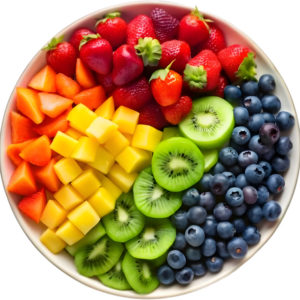
So some of the research is a bit mixed, but what if we dug a little further…
How can polyphenols help us lose weight?
The answer may come from flavonoids.
Flavonoids are a subgroup of polyphenols, and they have some positive research behind them regarding their potential to aid in weight loss efforts.
For instance, a meta-analysis published in 2018 found that flavanols (a subclass of flavonoids) showed potential for decreasing both BMI and waist circumference. [29]
And, perhaps more interestingly, a meta-analysis published in 2016 found that anthocyanins, proanthocyanidins (two types of flavonoids), and total flavonoid polymers were significantly associated with weight change. [30]
If you are looking to find sources of these flavonoids in the grocery store, anthocyanins are responsible for giving some plants their darker colors, such as reds, blues, and purples. As such, they can be found in sizable quantities in foods like berries (typically highest in the darker berries), eggplant, red cabbage, red onions, and more.
Proanthocyanidins, on the other hand, are mostly colorless polyphenols and are known to add a bit of bitter flavor to foods like dark chocolate, cranberries, cinnamon, and even apples, among others.
#14: Fruits and vegetables
A meta-analysis published in 2014 found that “high vegetable and fruit” intake resulted in more weight loss than in “low vegetable and fruit” intake groups. [31]
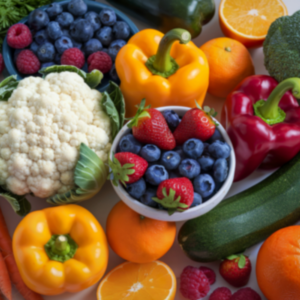
Additionally, another meta-analysis published in 2019 found that fresh fruit consumption did not lead to excess energy intake or weight gain, but did promote weight maintenance or modest weight loss. [32]
And last but not least, a meta-analysis published in 2018 found moderate quality evidence for an inverse association between vegetable intake and weight related outcomes, with some studies resulting in weight loss and others showing reduced risk of weight gain. [33]
#15: The Mediterranean diet
A meta-analysis published in 2011 found the Mediterranean diet had a significant effect on both weight loss and BMI. And, importantly, they found these results were significant beyond six months. [34]
In other words, the results were not simply a quick response that later reversed, but rather a potentially sustainable and long-term solution.
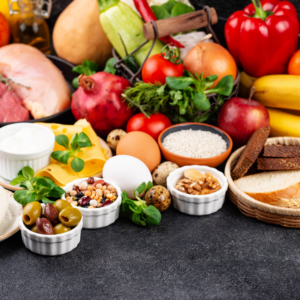
A later meta-analysis published in 2015 found that, among study subjects with type 2 diabetes, the Mediterranean diet led to greater reductions in body weight, BMI, as well as several markers of glycemic control (hemoglobin A1c, fasting blood glucose, and fasting insulin) when compared to control diets. [35]
How can the Mediterranean diet help us lose weight?
The Mediterranean diet tends to be high in some of the items we have covered already, from fiber due to its larger amounts of fruits and vegetables, to polyphenols in those same fruits and vegetables, to healthy fats from olive oil, and gut healthy foods like yogurt.
Which provides the perfect segue to…
#16: Yogurt
A meta-analysis published in International Journal of Obesity 2016 found that yogurt, high in probiotics, is associated with lower body weight, lower body fat, and smaller waist circumference. [36]
The body weight trifecta.
How can yogurt help us lose weight?
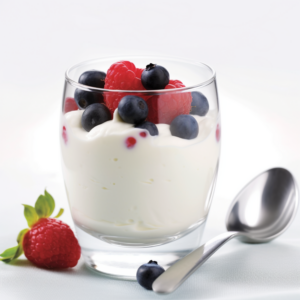
There are a few potential mechanisms by which yogurt could help us lose weight.
One is simply its protein content.
High quality yogurts are high in protein, which leads to greater satiety and less overeating.
Yogurt is also high in calcium. Emerging research is beginning to show that adequate calcium consumption can also result in greater satiety and less overeating. [37]
Previous research also indicated that those with high calcium intake had a lower prevalence of being overweight as well as a lower prevalence of having insulin resistance syndrome. [38]
And by this point we know how insulin can effect weight.
*Note that these associations was observed in those with higher dietary intake of calcium, not supplemental calcium intake.
Perhaps one of the biggest mechanisms is probiotics, which brings us to the grand finale…
#17: Probiotics
According to a slew of meta-analyses, probiotics have shown great potential to aid weight loss efforts.
Some of the findings include significant reductions in:
- Body weight [39] [40] [41] [42] [43] [44] [45] [46] [47] [48] [49]
- BMI [39] [41] [43] [45] [47]
- Fat mass [45] [46] [47] [49] [50]
- Fat percentage [39]
- Fasting glucose [41] [44]
- Insulin [41] [44] [45]
- Insulin resistance [41]
- Waist circumference [42] [43] [44] [45] [49]
- Hip circumference [43]
- Visceral fat [42] [43] [50]
While this does not necessarily make probiotics the world’s best weight loss tool (it could just be one of the most studied), these findings are still stunningly positive.
How can probiotics help us lose weight?
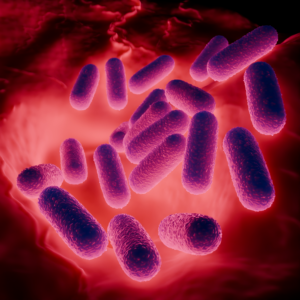
The positive impact a healthy gut microbiome has on our overall health cannot be overstated.
With that said, what we find with these study results is something we have seen many times here in this article.
Insulin.
Yet something else that helps lower blood sugar and lowers insulin, as well as improving insulin resistance.
And that same thing showing reductions in body weight as well as fat mass.
You are probably sensing a theme here.
Which is yet another perfect segue to…
The common weight loss thread(s)
Let’s take a look at everything I have covered in this article and see if there are any common threads that link these 17 tools together. Perhaps those threads could prove useful to us as we decide on the best dietary plans to meet our goals.
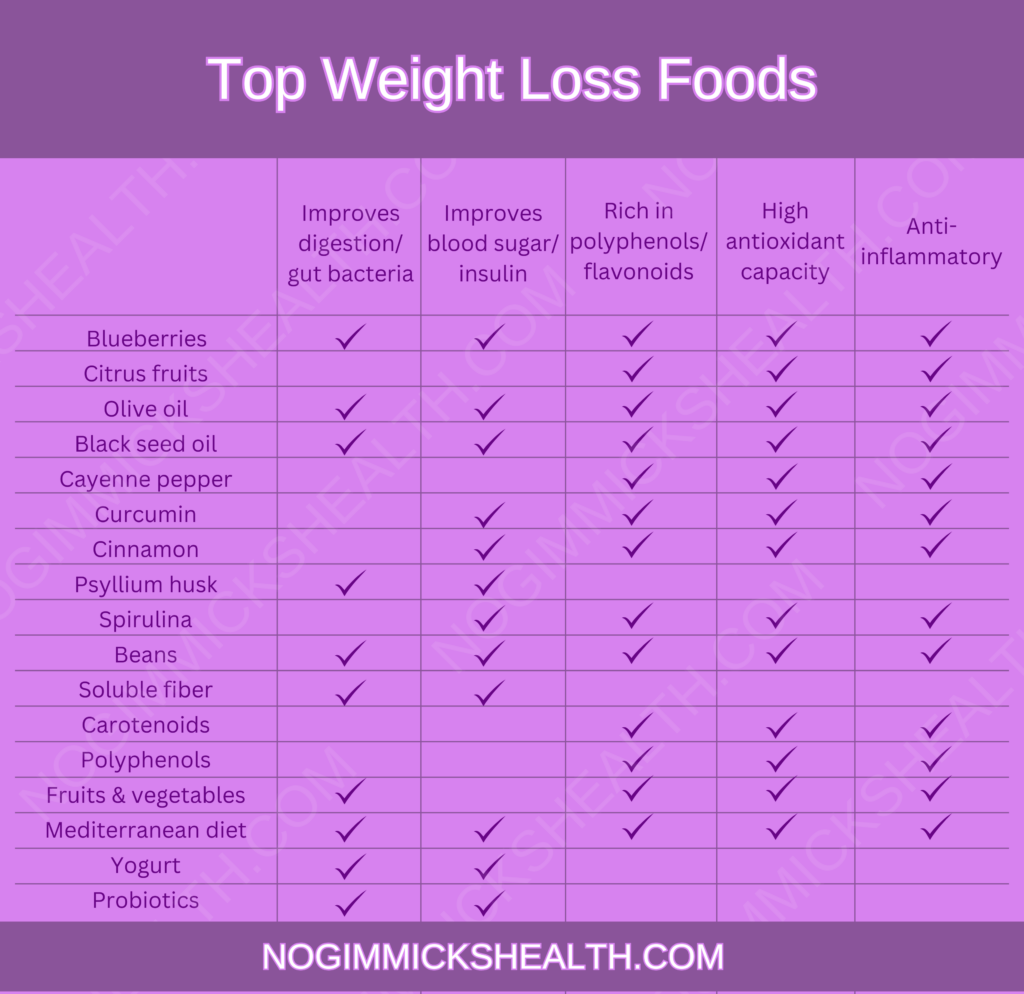
It’s pretty clear.
As you see, there are a common threads that link most of these foods together.
One is that most of these foods, diets, and nutrients are high in polyphenols and antioxidants, both of which lead to combating inflammation, among their many other health benefits.
Additionally, most of these foods, nutrients, and diets result in the lowering of blood sugar and, in turn, improving both the amount of insulin needed to be produced as well as the body’s sensitivity to that insulin.
And last but not least we have the improvement of digestion.
Proper digestion can help with all sorts of things, from stabilizing blood sugar, to lowered inflammation, to a healthier immune system and perhaps even cognitive benefits.
Is it possible that the keys to weight loss have always been keeping blood sugar stable as well as maintaining a healthy, less inflamed body, while adhering to the adage that all health starts in the gut?
Perhaps so.
What can we conclude from this weight loss analysis?
It is important to first seek out your own health. Once you improve your own overall health, it is far more likely that a healthy body weight will follow naturally.
And, if an unhealthy body weight stems from the issues discussed at length here, from unhealthy digestion to yo-yo-ing blood sugar levels and insulin resistance to an inflammatory body, then resolving those issues should be a top priority anyway.
A healthier body weight is the prize for doing the work to get healthy.
What do you think?
If we heal our digestive system, creating a healthy gut microbiome in the process, and reduce systemic inflammation with healthy, polyphenol-rich foods, do you think we will see greater overall health as well as healthier weight?
Let me know in the comments below.
And as always, remember to to discuss any changes to your diet or health and wellness plans with a licensed healthcare practitioner to determine what is safe and appropriate for you.
If you agree that you can take your health back and become your best version of you, then please consider sharing that message with the world with some of this super comfy and stylish gear!
Almost all shirts are 100% cotton, which is a natural fabric that importantly allows your skin to breathe.
Yet another aspect of how simple some health solutions really are.
Click here and pick out your faves!

The statements contained on this website have not been evaluated by the Food and Drug Administration and are not intended to diagnose, treat or cure any disease. Do not consume anything written about on this website if you are allergic to it.
The opinions expressed herein are for informational and educational purposes only and are not intended as a substitute for professional medical advice, diagnosis and treatment. Please consult a physician or health care professional for your specific health care or medical needs.
Please talk to your doctor before beginning any exercise or diet program, including those found on this website. The information provided on this site is not intended as a substitute for consultations with your doctor nor is it intended to provide medical advice specific to your condition.
References
[1] https://pubmed.ncbi.nlm.nih.gov/33066847/
[2] https://pubmed.ncbi.nlm.nih.gov/36840853/
[3] https://pubmed.ncbi.nlm.nih.gov/36494293/
[4] https://pubmed.ncbi.nlm.nih.gov/36112949/
[5] https://pubmed.ncbi.nlm.nih.gov/30461730/
[6] https://onlinelibrary.wiley.com/doi/10.1002/mnfr.201600418
[7] https://onlinelibrary.wiley.com/doi/abs/10.1111/j.1523-5378.2012.00949.x
[8] https://pubmed.ncbi.nlm.nih.gov/28389247/
[9] https://pubmed.ncbi.nlm.nih.gov/29559374/
[10] https://pubmed.ncbi.nlm.nih.gov/22634197/
[11] https://pubmed.ncbi.nlm.nih.gov/36938807/
[12] https://pubmed.ncbi.nlm.nih.gov/36898635/
[13] https://pubmed.ncbi.nlm.nih.gov/31249528/
[14] https://pubmed.ncbi.nlm.nih.gov/35365881/
[15] https://pubmed.ncbi.nlm.nih.gov/37163454/
[16] https://pubmed.ncbi.nlm.nih.gov/31780031/
[17] https://pubmed.ncbi.nlm.nih.gov/32967062/
[18] https://pmc.ncbi.nlm.nih.gov/articles/PMC7061888/
[19] https://pubmed.ncbi.nlm.nih.gov/28431534/
[20] https://pubmed.ncbi.nlm.nih.gov/36557218/
[21] https://pubmed.ncbi.nlm.nih.gov/34616107/
[22] https://pubmed.ncbi.nlm.nih.gov/27030531/
[23] https://pubmed.ncbi.nlm.nih.gov/31897475/
[24] https://pubmed.ncbi.nlm.nih.gov/35807808/
[25] https://pubmed.ncbi.nlm.nih.gov/33977977/
[26] https://pubmed.ncbi.nlm.nih.gov/38469993/
[27] https://pubmed.ncbi.nlm.nih.gov/28493374/
[28] https://pubmed.ncbi.nlm.nih.gov/36323021/
[29] https://pubmed.ncbi.nlm.nih.gov/29759310/
[30] https://pubmed.ncbi.nlm.nih.gov/26823518/
[31] https://pubmed.ncbi.nlm.nih.gov/25168465/
[32] https://pubmed.ncbi.nlm.nih.gov/31139631/
[33] https://pubmed.ncbi.nlm.nih.gov/30400139/
[34] https://pubmed.ncbi.nlm.nih.gov/20973675/
[35] https://pubmed.ncbi.nlm.nih.gov/25369829/
[36] https://pubmed.ncbi.nlm.nih.gov/26443336/
[38] https://pubmed.ncbi.nlm.nih.gov/15879568/
[39] https://pubmed.ncbi.nlm.nih.gov/29047207/
[40] https://pubmed.ncbi.nlm.nih.gov/34684633/
[41] https://pubmed.ncbi.nlm.nih.gov/31165401/
[42] https://pubmed.ncbi.nlm.nih.gov/39984625/
[43] https://pubmed.ncbi.nlm.nih.gov/33459204/
[44] https://pubmed.ncbi.nlm.nih.gov/40348630/
[45] https://pubmed.ncbi.nlm.nih.gov/34358838/
[46] https://pubmed.ncbi.nlm.nih.gov/36530587/
[47] https://pubmed.ncbi.nlm.nih.gov/29547587/
[48] https://pubmed.ncbi.nlm.nih.gov/23889619/