
If you are a regular reader here, you know I am a major proponent of incorporating health-boosting foods first, then allowing a healthy weight to occur as a result.
And one wonderful way to boost your health is by incorporating polyphenol-rich foods into your diet.
What are polyphenols?
Polyphenols are naturally occurring phytonutrients found in plant foods that can be a boon to our health.
Digested by our gut bacteria (healthy gut bacteria is perhaps more important than we think) and distributed out to the parts of our bodies where they are needed, polyphenols are known for their antioxidant and anti-inflammatory capabilities, and potentially much, much more.
But does that “much, much more” include weight loss?
It just might.
What does science say about polyphenols and weight loss?
Some of the research on polyphenols and weight loss is a bit mixed.
For example, an umbrella review published in 2024 found that the available scientific literature showed mixed results for polyphenol consumption resulting in weight loss. Where weight loss was noted, it was found to be small. [1]
Similarly, a meta-analysis published in 2017 found that polyphenol consumption might help prevent small increases in weight during periods of overconsumption, but more research was deemed to be needed to determine if it could also help reduce weight. [2]
However, a meta-analysis published in 2023 found polyphenol consumption had a significant reduction in body weight, BMI, and waist circumference. [3]
So while the results are not a slam dunk, it looks like the balance of the research is tilted toward polyphenols having a positive impact on weight loss, even if it might be a small one.
Here is where it gets really interesting
What if we dug a little deeper? What might we find?
That digging is where we find some positive news in the form of flavonoids.
Flavonoids are a subgroup of polyphenols, and they have some positive research behind them regarding their potential to aid in weight loss efforts.
Flavonoids and weight loss
For instance, a meta-analysis published in 2018 found that flavanols (a subclass of flavonoids) showed potential for decreasing both BMI and waist circumference. [4]
And, perhaps more interestingly, a meta-analysis published in 2016 found that anthocyanins, proanthocyanidins (two types of flavonoids), and total flavonoid polymers were significantly associated with weight change. [5]
Flavonoids could be the driver behind polyphenols’ effect on weight
So while, to this point, the research is a bit mixed on polyphenols overall, it is more positive on flavonoids, with anthocyanins and proanthocyanidins getting some special attention.
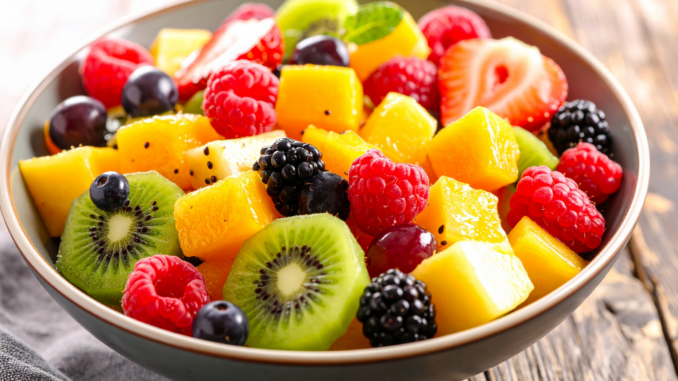
Anthocyanins are responsible for giving some plants their darker colors, such as reds, blues, and purples. As such, they can be found in sizable quantities in foods like berries (typically highest in the darker berries), eggplant, red cabbage, red onions, and more.
Proanthocyanidins, on the other hand, are mostly colorless polyphenols and are known to add a bit of bitter flavor to foods like dark chocolate, cranberries, cinnamon, and even apples, among others.
While the research has yet to fully validate polyphenols’ ability to aid in weight loss, there is some positive potential already being reported in meta-analyses. And besides, they offer way more health benefits than just weight loss anyway so they are a prime contender for dietary consideration.
As always, you should talk with your licensed healthcare practitioner to determine if these foods are good, safe, and appropriate for you before adding them to your diet.
If you agree that you can take your health back and become your best version of you, then please consider sharing that message with the world with some of this super comfy and stylish gear!
Almost all shirts are 100% cotton, which is a natural fabric that importantly allows your skin to breathe.
Yet another aspect of how simple some health solutions really are.
Click here and pick out your faves!

The statements contained on this website have not been evaluated by the Food and Drug Administration and are not intended to diagnose, treat or cure any disease. Do not consume anything written about on this website if you are allergic to it.
The opinions expressed herein are for informational and educational purposes only and are not intended as a substitute for professional medical advice, diagnosis and treatment. Please consult a physician or health care professional for your specific health care or medical needs.
Please talk to your doctor before beginning any exercise or diet program, including those found on this website. The information provided on this site is not intended as a substitute for consultations with your doctor nor is it intended to provide medical advice specific to your condition.
References
[1] https://pubmed.ncbi.nlm.nih.gov/38469993/
[2] https://pubmed.ncbi.nlm.nih.gov/28493374/
[3] https://pubmed.ncbi.nlm.nih.gov/36323021/